
“The Facts”
What is an extended car warranty?
An extended warranty, often referred to as a service contract or maintenance agreement, is optional coverage that extends the protection provided by the original manufacturer’s warranty. It’s designed to help cover the cost of repairs or replacements after the standard warranty expires, and it may be offered by the manufacturer, retailer, or a third-party provider.
What does it cover?
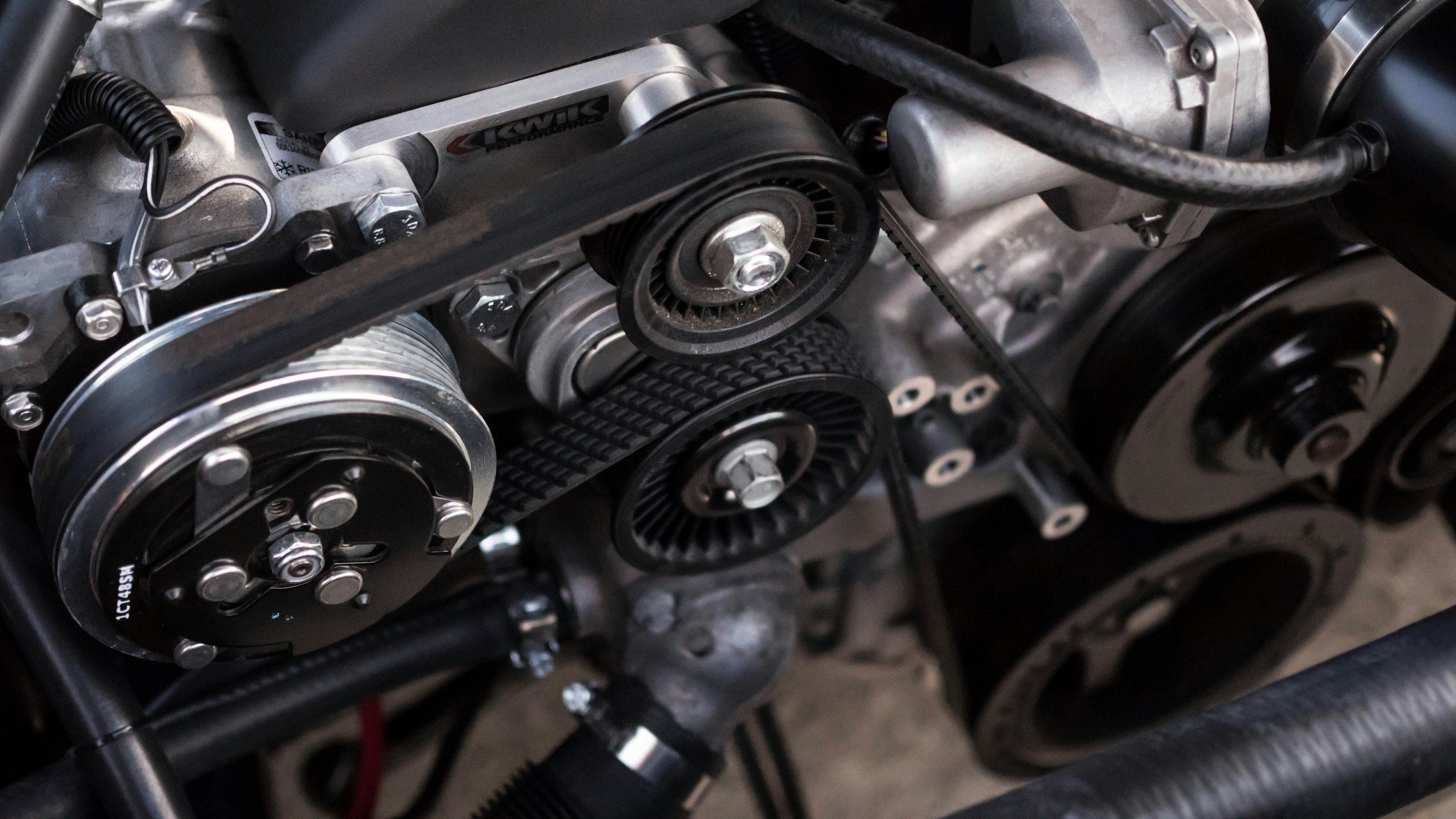
An extended warranty is designed to help protect you from the high costs of unexpected repairs after your vehicle’s original warranty expires. Depending on the plan, it can cover major components like the engine, transmission, electrical systems, air conditioning, and more. Some plans even include extras like roadside assistance, rental car reimbursement, and trip interruption coverage.
It’s important to remember that coverage varies between providers and plans—some cover just the basics, while others offer comprehensive protection for a wide range of parts and systems.

Powertrain Coverage
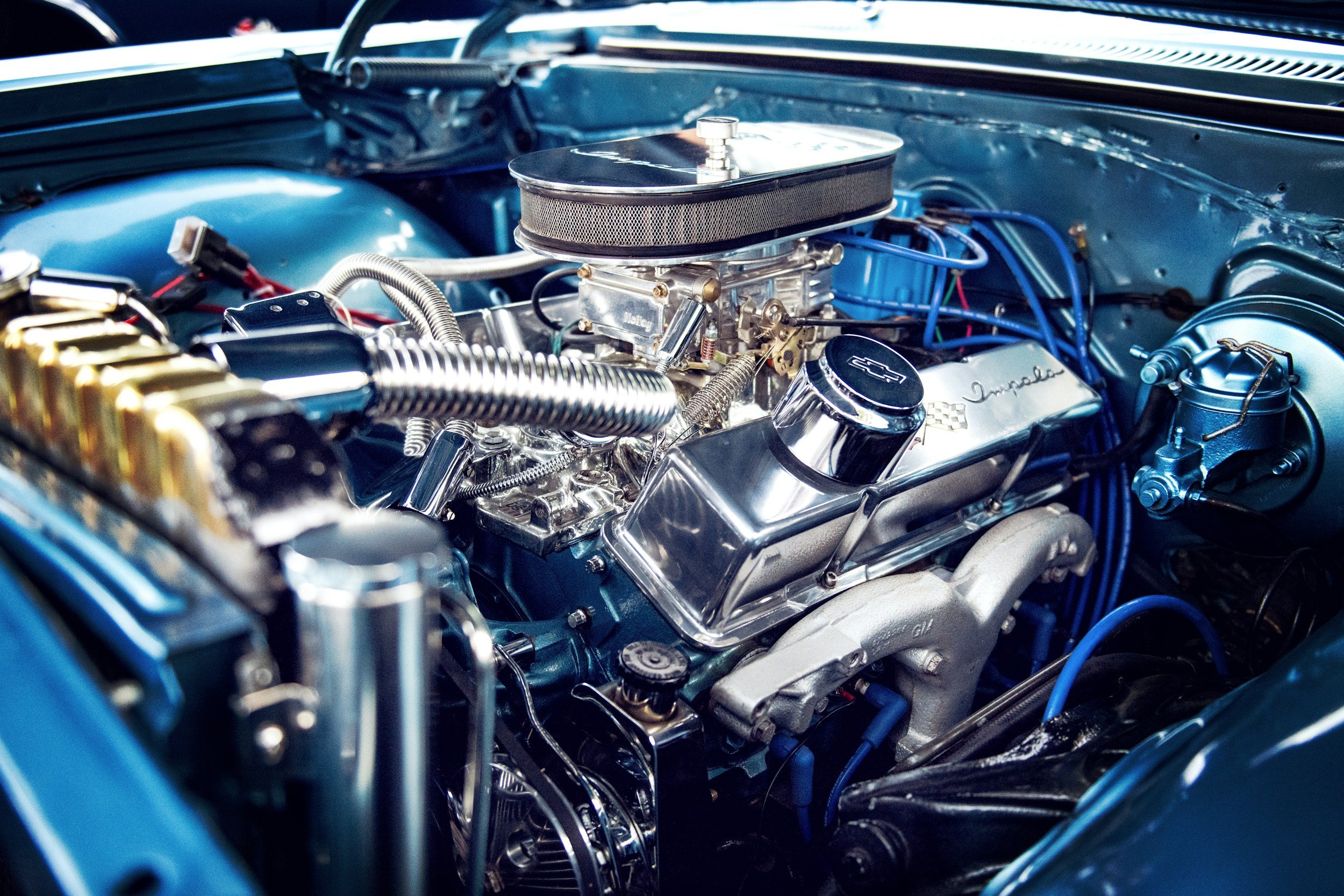
This is your entry-level basic coverage package. It typically covers your “big ticket items” so to speak; such as engine, transmission, drive axle, and electrical system. It’s the type of coverage you get when you don’t have much to spare but can’t afford to go without having something! It makes sure your essentials are protected on the vehicle.
- Engine
- Transmission
- Electrical
- Drivetrain
- Transfer Case
Powertrain Plus
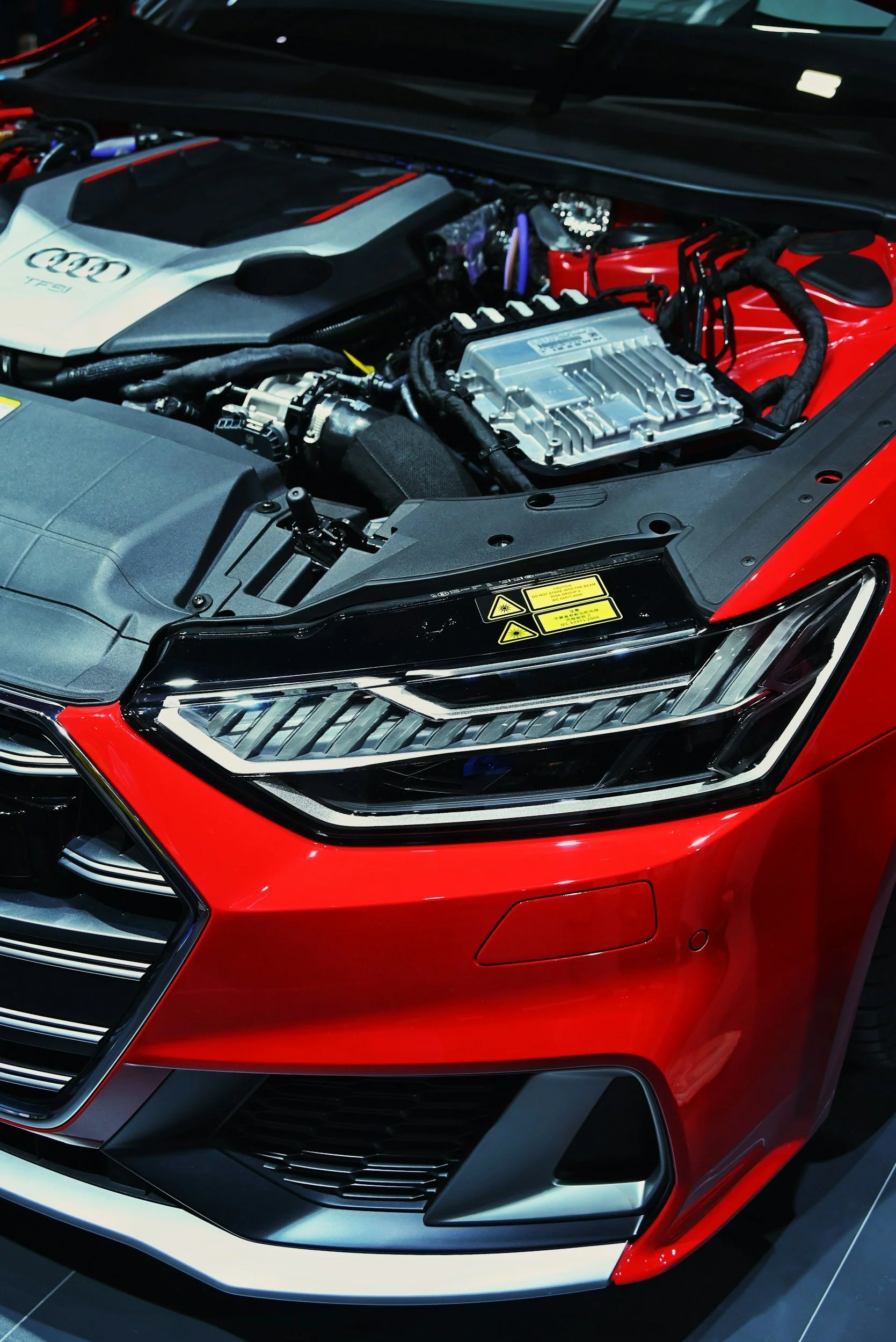
This is your middle ground coverage, you’re not looking for “all the bells & whistles” coverage but you are looking to cover all key essentials of the car. Powertrain, steering, suspension, sometimes the braking system as well depending on the plan. This is the coverage you get when perhaps you have an older car without all the fancy items but still want to cover all the items YOU DO have on the vehicle! So let’s call it the essential plus plan.
- Engine
- Transmission
- Electrical
- Drivetrain
- Transfer Case
- Cooling System
- Fuel System
- Air Conditioning
- Seals and Gaskets
- Steering Components

Comprehensive Coverage
This is the policy you look for when you LITERALLY DO NOT WANT TO HAVE A SINGLE THING UNCOVERED! Period. Depending on the policy, some providers offer some seriously comprehensive coverage. Powertrain items, our essentials plus items, and now we dive into the “bells and whistles”. Power seats, windows, sunroof/moonroof , heated/cooling seats, main computers, sensors, seemingly everything about the car but the person driving it! This is coverage similar to what you get when you buy a brand new vehicle. This is the package if you’re looking for TOTAL peace of mind
- Engine
- Transmission
- Electrical
- Drivetrain
- Transfer Case
- Cooling System
- Fuel System
- Air Conditioning
- Seals and Gaskets
- Steering Components
- Suspension System
- Braking System
- High-Tech Electronics
What’s not covered?
-
Maintenance
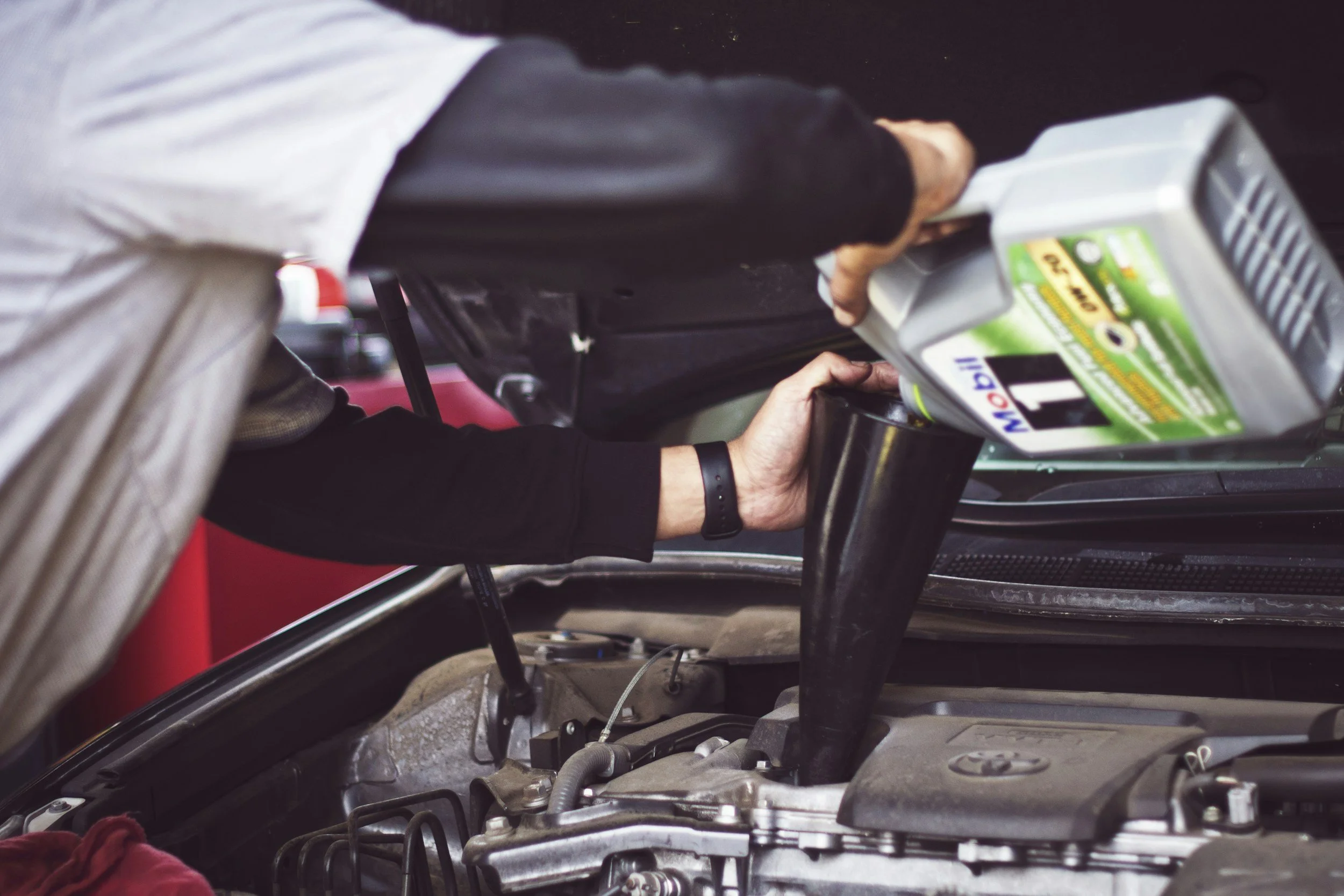
Required maintenance is not covered. Maintenance includes fluid checks and replacements, filter replacements, tire maintenance, brake system inspection, battery, lights, windshield wipers, spark plugs and visual inspections. The outcome of the inspections will also not be covered.
-
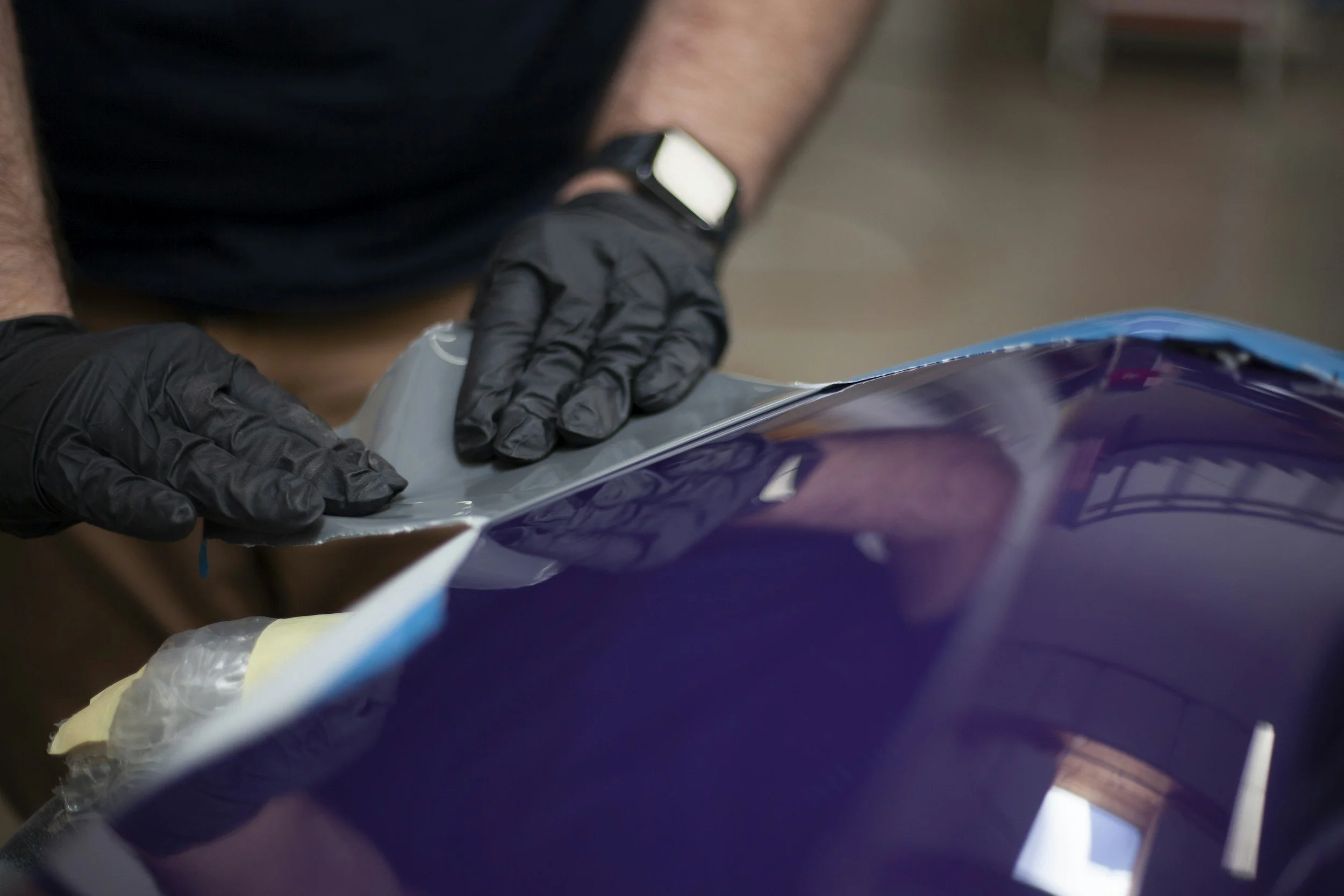
Cosmetics
Cosmetics refers to paint chips, rips / tears and/ or burns in carpet, leather or interior cloth. Chrome, safety restraints, rim scratches and headliner issues.
-
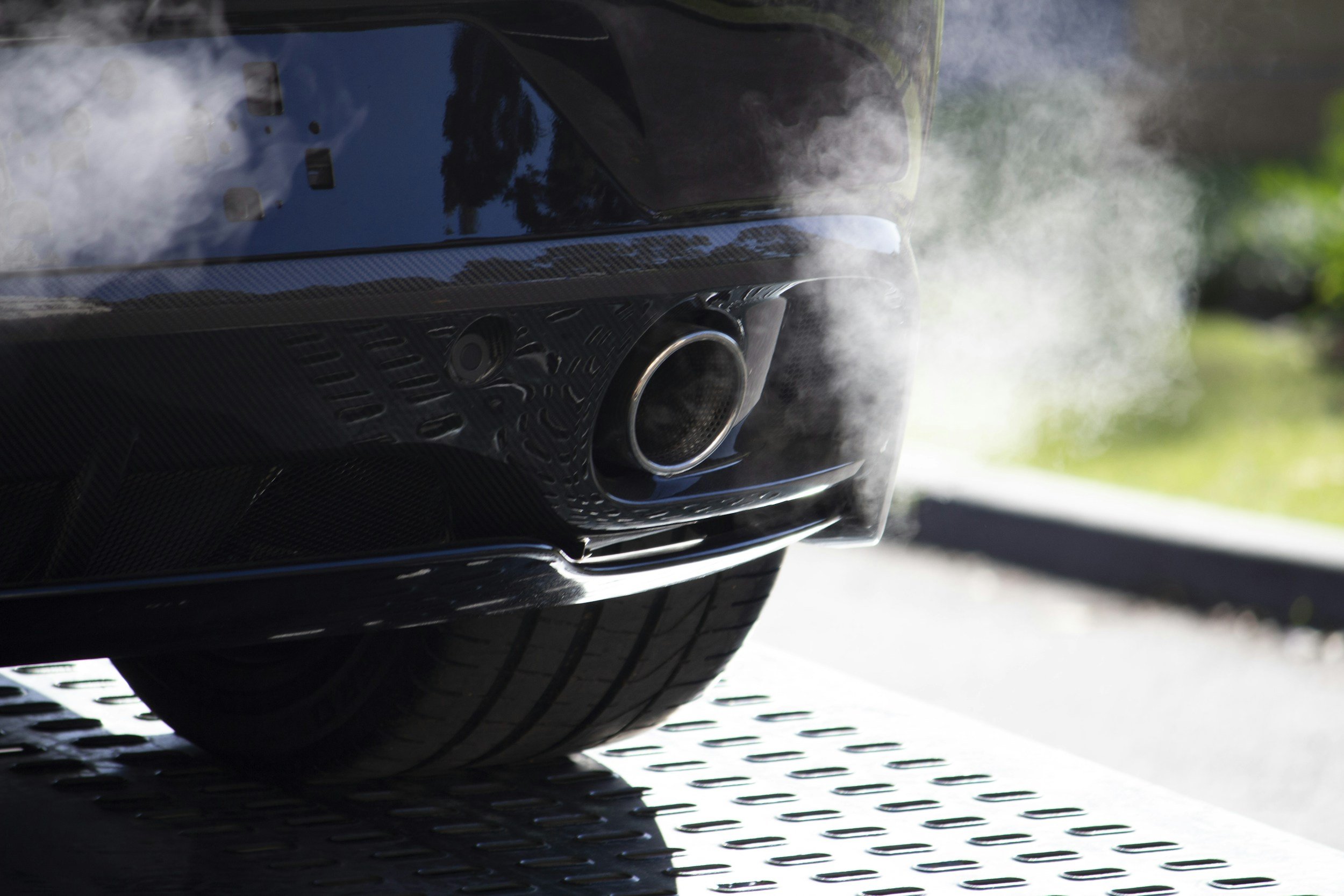
Emissions
Emissions on a vehicle includes the catalytic converter, exhaust system and emissions control systems. It is illegal for vehicle service providers to cover emissions.
-

Aftermarket Parts
If parts are not the orginal equipment from the manufacturer it will not be covered. Only OEM parts are covered in the service contracts. After market parts are anything that was not stock in your vehicle when it was new.
What causes denials?
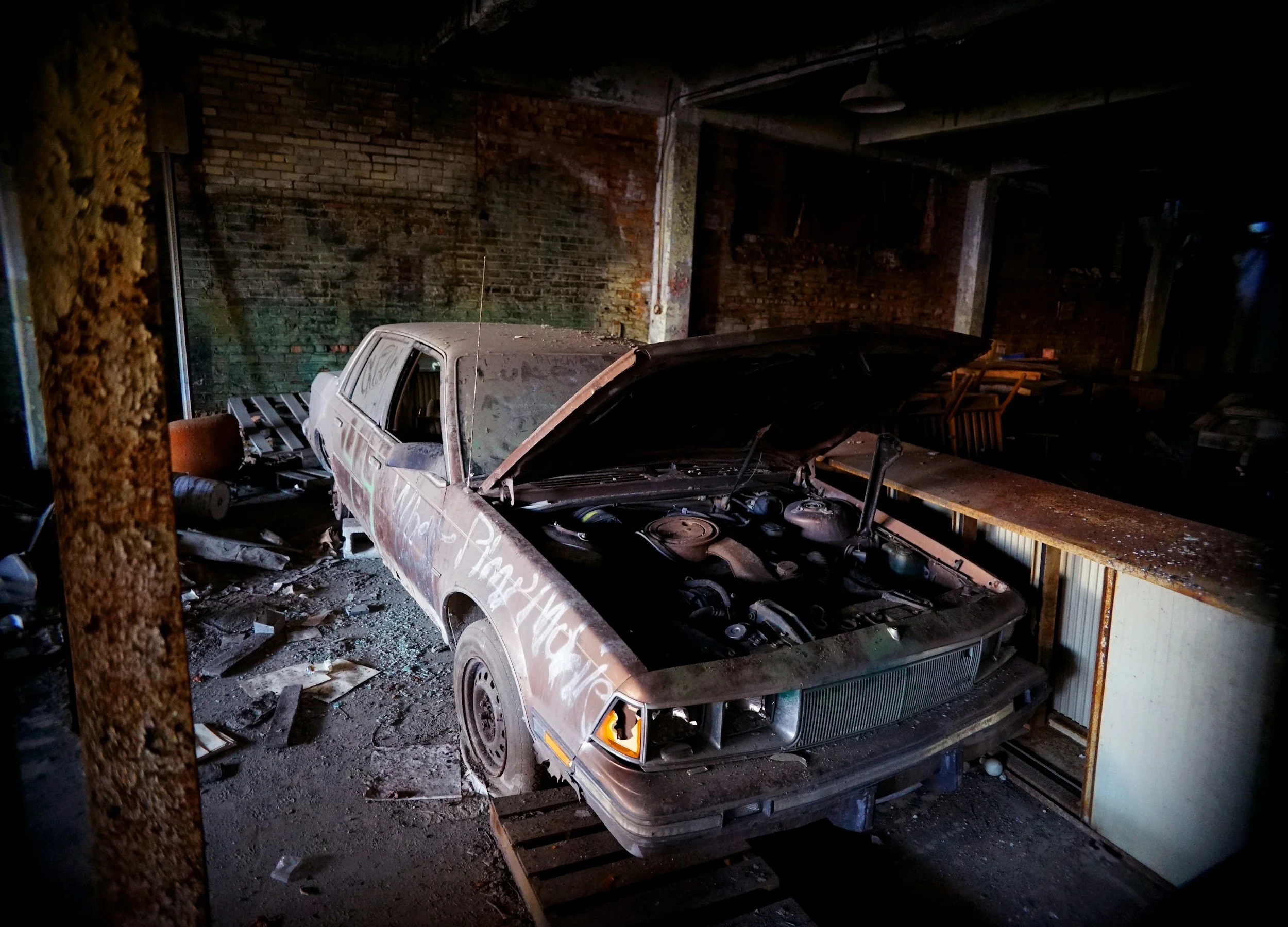
Existing Issues
If something is on it’s way out, is having problems or is starting to make unfamiliar noises before you have the service contract it wont be covered. Your vehicle must be working properly when the service contract is purchased.
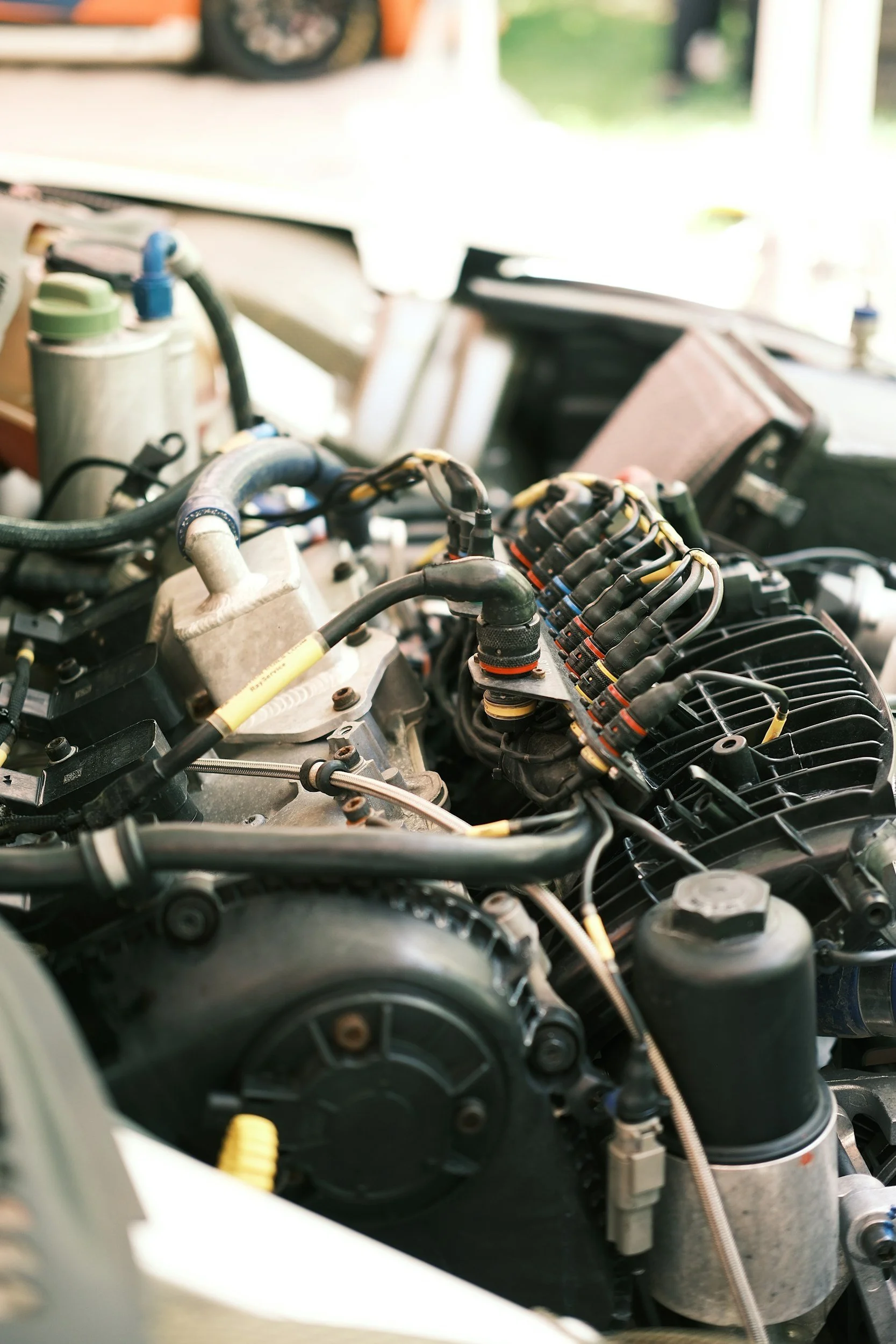
Lack of Maintenance
If your vehicle is not properly maintained, such as regular oil changes, brake pads replaced, etc. it can disqualify coverage if it causes something else to go wrong. Make sure to keep up with your maintenance and keep records!
The Big Takeaway
-
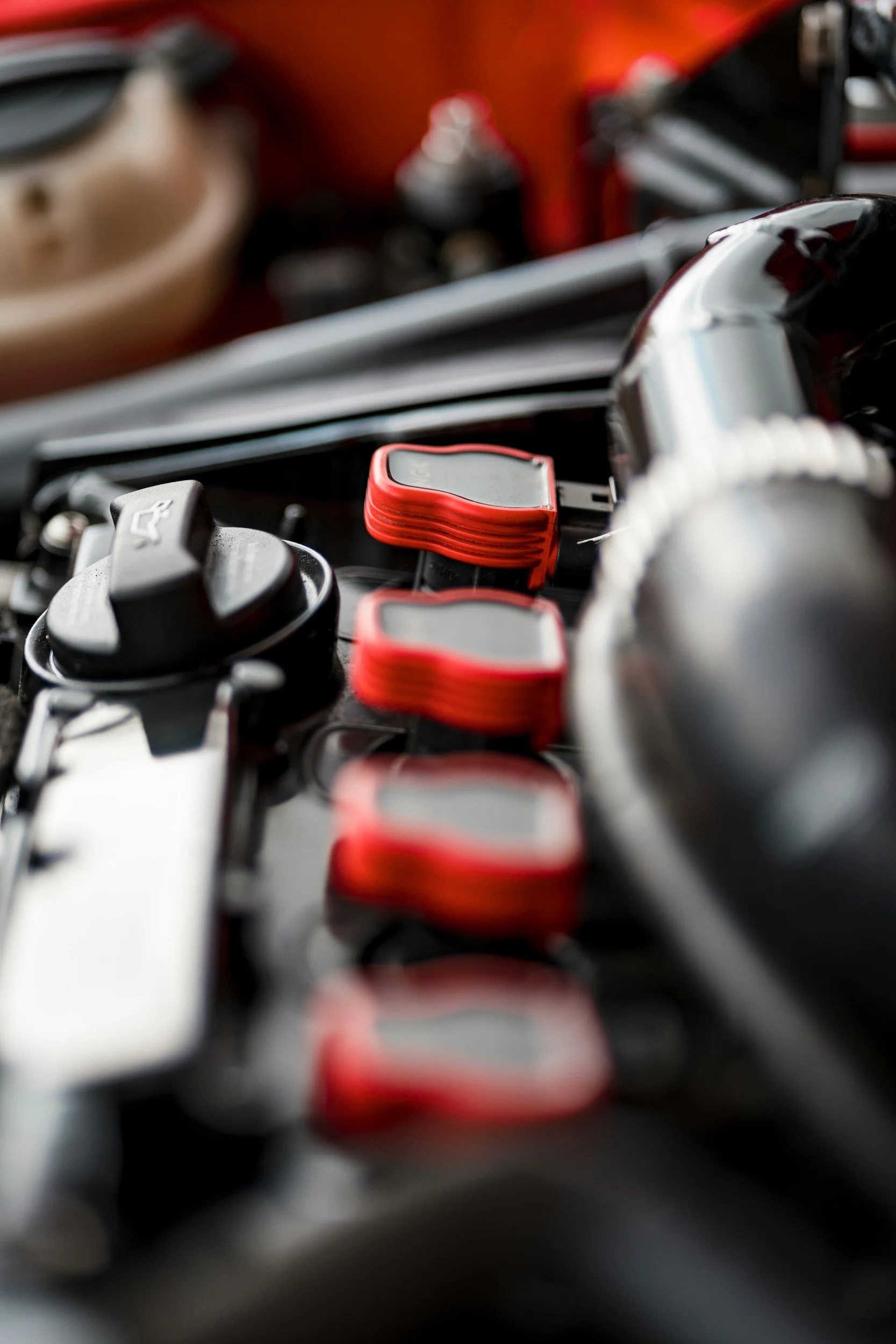
Maintain your car
Always keep up with the manufacturer’s suggested maintenance plan. Regular oil changes, tune ups, brake pads and rotors help to keep your vehicle life span longer. Why not protect your investment?
-
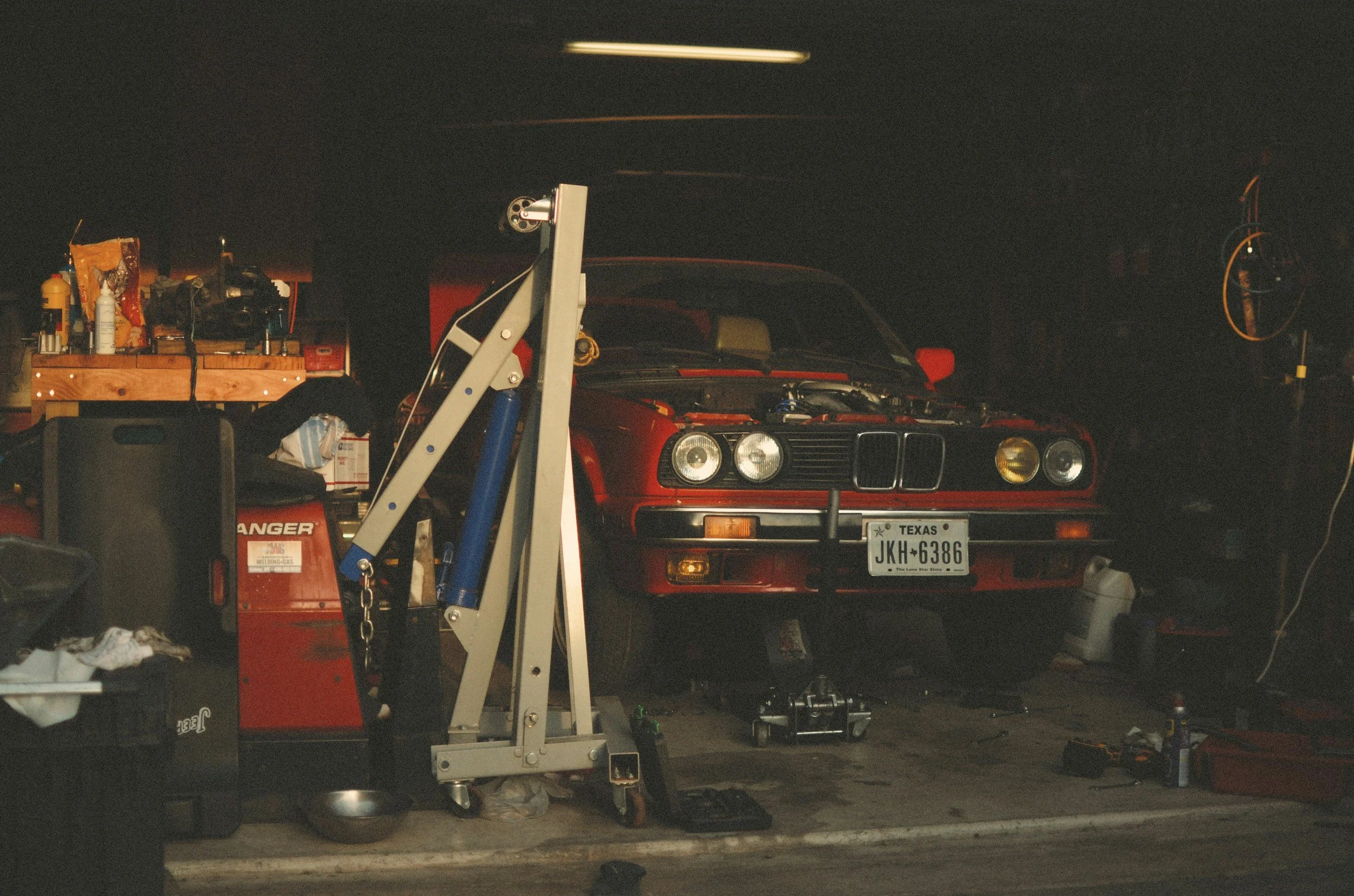
Inspect the car before you purchase
Get a vehicle inspection once you purchase your service contract to give yourself and the provider a secure piece of mind that nothing is going wrong with your vehicle. It provides proof that if something does happen, it was not an issue that was pre-existing.
-

Be proactive
Before anything goes wrong, make sure you are covered! Protect yourself from any unnecessary out-of-pocket expenses that can be avoided. Research things that tend to go wrong with your vehicle so you know what to expect before it happens.
-

Do your homework
Research companies before picking one. Know what customers are saying about every process, signing up, speaking with customer service when you are a customer and how claims are handled. Look into the reviews and make sure the company is a good fit for you and your vehicle needs.

